
CFCWR Blog
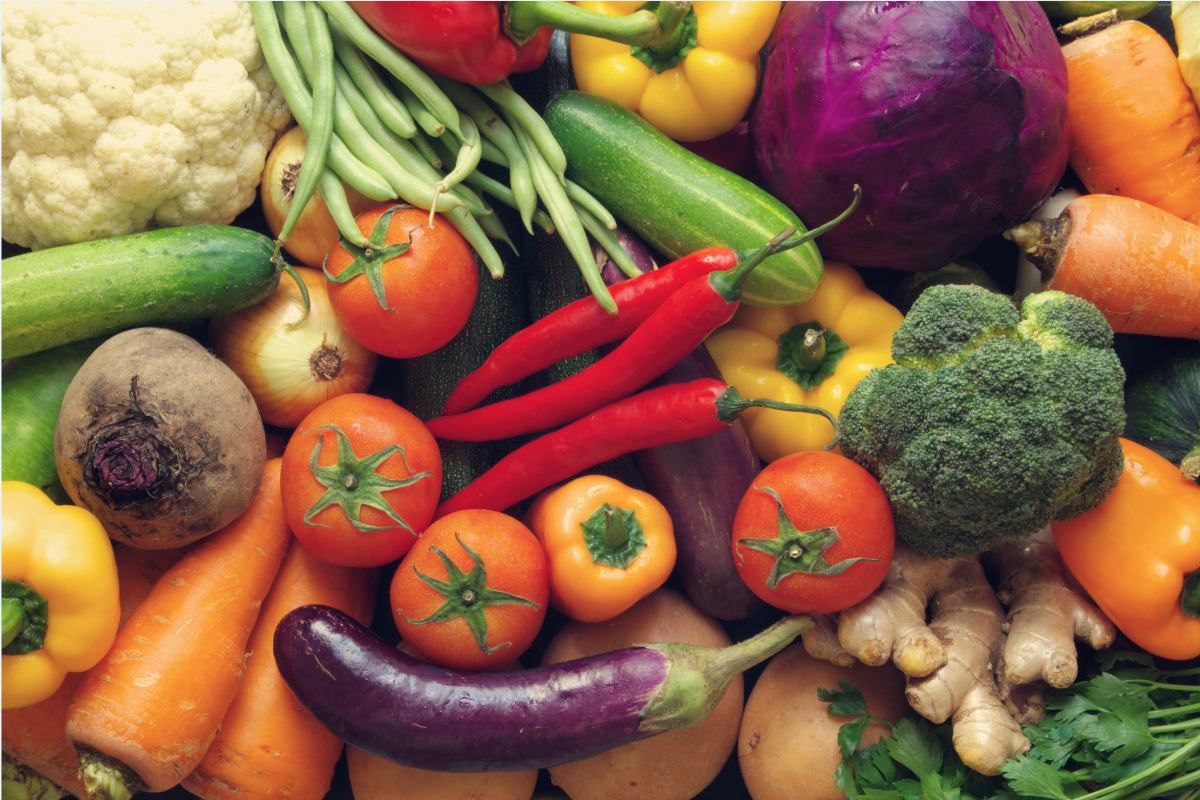
Written by guest blogger: Jared Hibbard-Swanson, PhD, Food Security and Safety Program Manager, Oregon State University Extension Service, CFCWR Advisory Board Member
Social media videos and online forums are full of creative solutions to address the problem of food waste, with a plethora of “hacks” and “simple tricks” promising to extend the life of fresh produce or preserve it with ease. The appeal is clear: if you have ever opened the refrigerator to find slimy lettuce, moldy berries, or squishy cucumbers, you know how easy and frustrating it is to accidentally waste fresh produce.
Helping prevent waste is an important goal, but just because a method appears to work in a video does not mean it’s going to work in real life. In some cases, food preservation shortcuts can even be unsafe.
Before adopting the latest food preservation trend you see online, it’s always a good idea to check with reliable sources. While not as trendy as a viral video, the recommendations provided by authorities, the FDA, or your state’s Extension Service are based on research and testing that prioritize safety.
Let’s take a closer look at three popular food-saving trends and see how they stack up against science-based recommendations. When are these practices risky? And when might they be safe?
Trend 1: Storing Whole Produce Submerged in Water
One of the most common storage hacks on social media in recent years involves submerging fruits or vegetables in jars filled with water for storage in the refrigerator. You’ll find videos showing everything from lemons and avocados to carrots and broccoli stored underwater, often with claims that produce will stay fresh for weeks or even months.
There is a degree of plausibility to this hack. Vegetables like carrots and celery can lose water during storage and become limp—nearly everyone has had the disappointment of pulling a soft carrot out of the refrigerator—and keeping them in water seems like a reasonable way to prevent moisture loss. The trouble with this “trick,” however, is that water is also a great medium for harmful bacteria to move around and grow on produce.
Fresh produce is not sterile. Fruits and vegetables can carry bacteria from soil, irrigation water, transportation crates, or anything else that touched them on the way to your kitchen. Submerging fruits and vegetables in water for days on end gives some types of bacteria the chance to spread and multiply, even in the refrigerator.
Take, for example, the bacteria Listeria monocytogenes. Listeria thrives at lower temperatures than most pathogenic bacteria, and it can survive and grow on the surface of many varieties of refrigerated fruits and vegetables. Illness from listeria usually only lasts for a few days, but for people who are very young, older, pregnant, or immune-compromised, it can be much more serious.
Listeria has been linked to a number of high-profile outbreaks, including one associated with celery that caused the death of five people. Submerging produce in water is not an effective way to prevent Listeria from growing in the refrigerator. In fact, a 2016 study showed that this pathogen can infiltrate the flesh of avocadoes when they are submerged in water at harvest.
Given the risk of bacterial growth, storing fresh produce submerged in water is not the safest way to keep your produce fresh for longer, especially for items you will not cook before eating, like celery sticks or avocados.
What to Do Instead
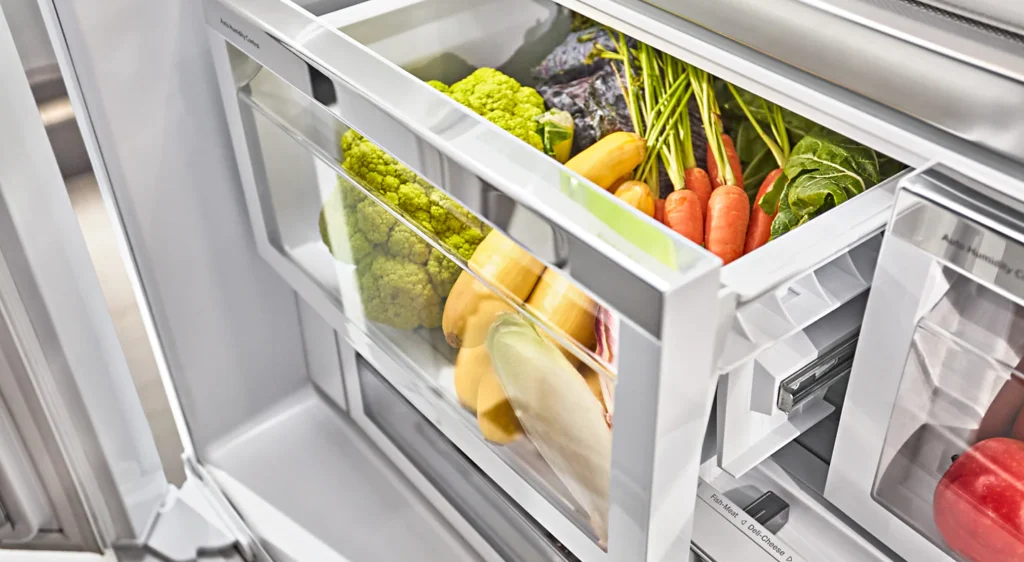
- Use refrigerator crisper drawers for most refrigerated fruits and vegetables. These drawers help keep a humid, cold environment.
- Use clean, moisture-proof produce bags for vegetables you want to keep crisp, like broccoli, celery, radishes, and carrots.
- Check your refrigerator temperature. Optimum temperature is between 34 and 40°F, but studies have shown that many home refrigerators are operating at much higher temperatures that lead to quicker spoilage.
- Refrigerate cut or peeled produce promptly in sealed containers.
- For guidance on ideal temperatures for storing specific produce types, check out the University of California’s Produce Fact Sheets.
Trend 2: Canning in an Electric Multicooker
Canning videos are another social media staple, and many creators demonstrate quick and easy techniques for processing jams, pickles, meats, soups, and more in electric multicookers, such as Instant Pot-style appliances that often feature a “canning” setting. Because these appliances are convenient and widely available, many consumers assume they are a safe substitute for a pressure canner.
This is one trend that could be very dangerous. Here’s why.
Canning is a fantastic way to preserve fresh foods and prevent waste, but canning is a precision process. Canning works by applying steady heat to a sealed jar for a calculated amount of time necessary to kill off harmful bacteria. The exact processing temperature and time needed to make a canned food safe depends on the type of food being canned, the size of the jar, and the way the food is prepared before being packed in the jar.
So why not can in an electric multi-cooker? These devices were designed for quick cooking, not canning. They heat up and cool rapidly, and they may not be able to hold the steady, high temperatures required for safe canning. Research done at the University of Utah demonstrated that several models of electric multicookers could not reach the high temperatures required to kill bacterial spores.
If a canned food is not processed at a high enough temperature for a long enough time, the risks can be high. Low-acid foods, such as vegetables, meats, poultry, seafood, or soups, present the highest risk. They can support the growth of Clostridium botulinum, the bacterium that produces the toxin responsible for botulism. Botulism is rare but potentially fatal, and home-canned foods are implicated in outbreaks regularly, like in this case of home-canned nopales.
What to Do Instead
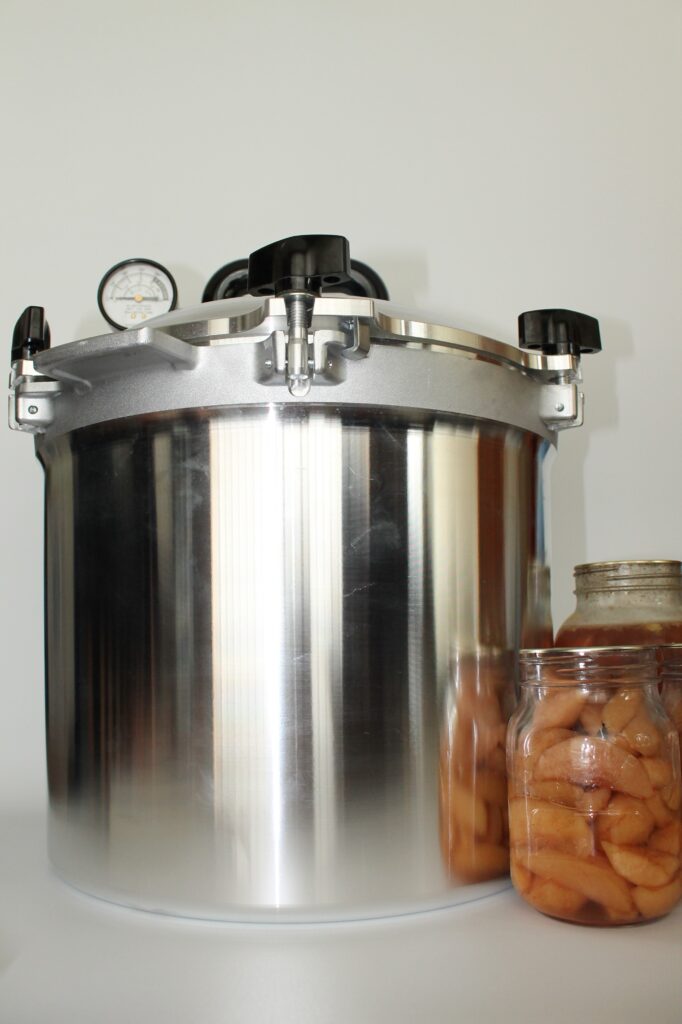
- Always use a tested recipe for canning. You can find tested recipes from your local Extension Service, or from the National Center for Home Food Preservation.
- For canning high-acid foods, use a stovetop canner or an electric boiling water canner that keeps a steady boil throughout the canning process.
- For canning low-acid foods, use a dedicated pressure canner, not an electric multicooker designed for other tasks. Kitchen equipment manufacturers have more recently released digital pressure canners specifically designed for this task, but these devices have yet to be tested independently. Stovetop canners remain a tried-and-true method recommended by state Extension Services.
- Learn how to use your canner properly, including important safety steps like venting and regulating pressure. For more guidance on using a pressure canner, check out this comprehensive guide from the University of Idaho Extension.
- Freeze or dehydrate foods when you cannot find reliable instructions for canning them from science-based resources.
Trend 3: Vacuum-Sealing Mason Jars
Vacuum-sealing attachments for mason jars are another type of gadget that has become increasingly popular online. Users place all sorts of foods into jars, attach a vacuum-sealing device, remove air, and claim dramatically extended storage life. The resulting sealed jar often looks similar to a home-canned product, which can create confusion about what the process accomplishes and when it might be risky.
Vacuum sealing does reduce oxygen exposure, which limits spoilage through oxidation or mold growth. For many food items, that can mean a major difference in storage quality and shelf life. Dry foods, such as rice, flour, dried beans, herbs, and nuts, for example, will not oxidize as quickly and will last longer in your pantry, refrigerator, or freezer if vacuum-sealed in a glass jar.
Vacuum sealing does not apply any heat treatment to kill pathogens, however. Any yeasts, viruses, or bacteria present on the food at the time of sealing will still be present on the food when vacuum-sealed. Some bacteria, like Clostridium botulinum, actually thrive in reduced oxygen environments if they have enough moisture and moderate temperatures.
What to Do Instead
- For dry, shelf-stable foods such as grains, pasta, spices, dried fruits, and nuts, vacuum seal them and store at room temperature, in the refrigerator, or in the freezer. This method will reduce oxidation and keep the dried products fresher for longer.
- For moist, fresh fruit, such as berries, you must promptly refrigerate or freeze the jars after you vacuum seal them.
- For fresh, low-acid foods like vegetables, cooked grains, or meats, you should refrigerate or freeze promptly. Note that for best quality, vegetables should be blanched before freezing, as described by Oregon State University Extension.
- Be especially careful with certain foods at higher risk for Clostridium botulinum growth. Vacuum-sealed smoked fish or seafood should always be kept in the freezer. Before thawing, break the vacuum and allow oxygen into the packaging.
Conclusion
Reducing waste is an important goal for households, communities, and the food system as a whole. However, the safest approach is not always the most viral one.
Before adopting a new storage hack, take a moment to ask: Has it been tested for safety, or does it simply appear effective? When the answer is uncertain, research-based guidance remains the best resource.
Extension publications, FDA recommendations, and the National Center for Home Food Preservation provide practical solutions that help households store and save produce without compromising safety. In the end, preventing food waste should never come at the expense of preventing foodborne illness.
This work is supported by the Agriculture and Food Research Initiative, project award no. 2024-68015-42110, from the U.S. Department of Agriculture’s National Institute of Food and Agriculture. Any opinions, findings, conclusions, or recommendations expressed in this publication are those of the author(s) and should not be construed to represent any official USDA or U.S. Government determination or policy.
DISCLAIMER OF ENDORSEMENT: Reference to any specific commercial product, process, or service by trade name, trademark, manufacturer, or otherwise, does not necessarily constitute or imply its endorsement, recommendation, or favor by CFCWR. The views and opinions expressed herein shall not be used for advertising or product endorsement purposes.