
CFCWR Blog
The Unexpected Upcyclers: What Dairy Cows Have to Do with Food Waste
Written by guest blogger: Emma James, M.S., Dietetic Intern, Indiana University Indianapolis
When you think about reducing food waste, what comes to mind? Composting, repurposing leftovers, buying smaller quantities, or planning meals more carefully?
How about a 1,500-pound dairy cow?
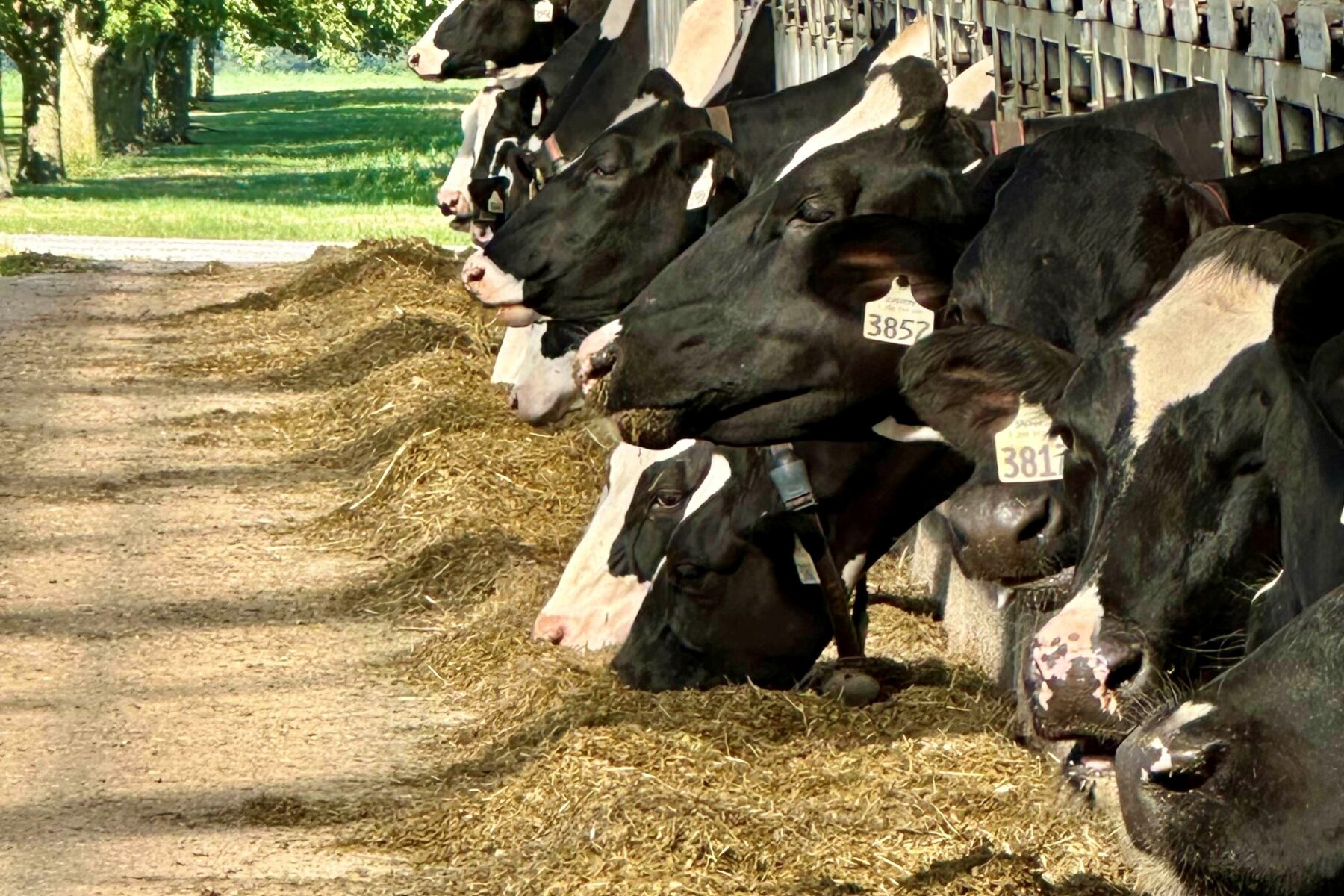
At first glance, dairy cows may not seem connected to food waste reduction. But they play an important, and often overlooked, role in reducing waste long before food ever reaches our kitchens. Think about it…What happens to the orange peels after juicing? Or the grains after brewing beer? What about the corn after the production of ethanol? Surprisingly, many of these byproducts don’t go to waste at all. Instead, they are cycled back into the food system, where dairy cows play an essential role.
Not All Food Loss and Waste Starts at Home
While we work hard to reduce waste in our kitchens, approximately 36% of food waste occurs before it ever reaches the consumer, originating in farming, processing, and manufacturing.
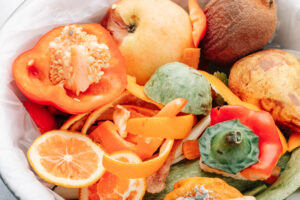
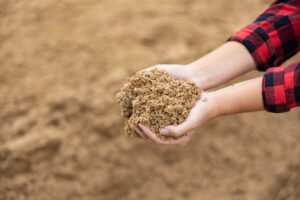
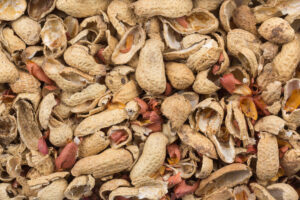
This “pre-consumer” waste often consists of byproducts; materials created during food production that are undesirable for human consumption. This amounts to 52 billion pounds of food products! Instead of heading to a landfill and contributing to greenhouse gas emissions, these materials can be cycled back into the food system as nutrient-dense feed for cows. Examples of these byproducts include things like:
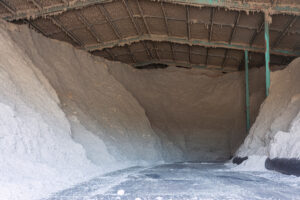
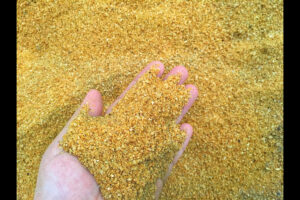
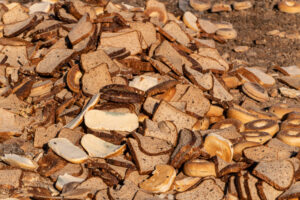
Turning Waste into Nutrition
How does a cow turn an orange peel into a glass of milk? Beyond the obvious differences, the digestive systems of humans and cows function very differently.
Cows are mammals known as ruminants, meaning they have a specialized digestive system with four stomach compartments. This allows them to consume and break down large amounts of fibrous plant materials and byproducts that humans simply cannot digest.
In fact, most of the food dairy cows eat, around 80%, cannot be easily digested by humans. By consuming these byproducts, which make up about 40% of their total diet, cows “upcycle” low-value waste into high-value, nutrient-rich foods like milk, cheese, and yogurt.
Closing the Loop in the Food System
One of the biggest challenges in addressing food waste is identifying ways to keep nutrients within the food system rather than losing them altogether.
Dairy cows help close this loop in many important ways. In addition to consuming byproducts from other industries, such as spent grain from breweries, dairy farming also repurposes its own byproduct, manure.
Fake header
Farmers can use cow manure as a natural fertilizer for crops, which are then harvested and sold to consumers. Using anaerobic digesters, farmers can also convert cow manure and food scraps to generate electricity, create natural gas, make compost, or make bedding.
Dairy cows’ ability to close the loop in the food system reduces the amount of waste in landfills, maximizes the value of agricultural resources, and connects different areas of the food system in a mutually beneficial way. In fact, U.S dairy cows upcycle around 80 billion pounds of food byproduct each year.
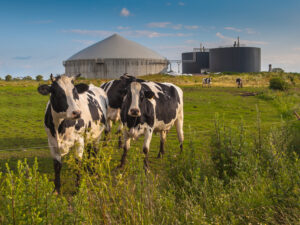
Turning Waste into Wins for the Environment
Not only does food waste pose a supply issue, but it also poses an environmental one. If byproducts were not used by cows, these materials would end up in landfills, where they decompose, creating 60% more carbon emissions than feeding them to dairy cows. By turning these byproducts into animal feed instead, dairy farms are reducing methane emissions associated with landfill waste.
In addition to decreasing landfill waste, using byproducts as animal feed improves resource efficiency within the food system. When byproducts are repurposed rather than sent to the landfill, fewer resources are needed to produce additional feed. This can help reduce the demand for land, water, and energy required to grow and transport feed crops.
By making better use of existing materials, dairy farms contribute to a more sustainable approach to food production and significantly aid in reducing food waste. In fact, between 2007 and 2017, dairy production became more resource-efficient, requiring 30% less water and 21% less land per gallon of milk, and reducing its carbon footprint by 19%. Additionally, U.S. Dairy has committed to carbon neutrality by 2050, reducing greenhouse gas (GHG) emissions across the dairy food chain from farm to processing facility, optimizing water usage and recycling, and improving water quality.
What the Future Holds
Food waste remains a complex issue with no single solution; however, dairy cows demonstrate how biological systems can work alongside modern food production to reduce waste and improve efficiency.
Addressing food waste requires effort at every step of the food system, from production to consumption, but solutions such as upcycling demonstrate how food by-product waste can be reduced and kept out of landfills. As technology in agriculture and food systems continues to evolve, this concept will likely begin to play an even greater role. In the meantime, dairy cows remain one of the food system’s greatest partners in the fight against food waste.
So, the next time you see a dairy cow or enjoy a glass of milk, remember that it’s doing a little more than just producing milk; it’s helping make the food system more sustainable.
This work is supported by the Agriculture and Food Research Initiative, project award no. 2024-68015-42110, from the U.S. Department of Agriculture’s National Institute of Food and Agriculture. Any opinions, findings, conclusions, or recommendations expressed in this publication are those of the author(s) and should not be construed to represent any official USDA or U.S. Government determination or policy.
DISCLAIMER OF ENDORSEMENT: Reference to any specific commercial product, process, or service by trade name, trademark, manufacturer, or otherwise, does not necessarily constitute or imply its endorsement, recommendation, or favor by CFCWR. The views and opinions expressed herein shall not be used for advertising or product endorsement purposes.