
CFCWR Blog
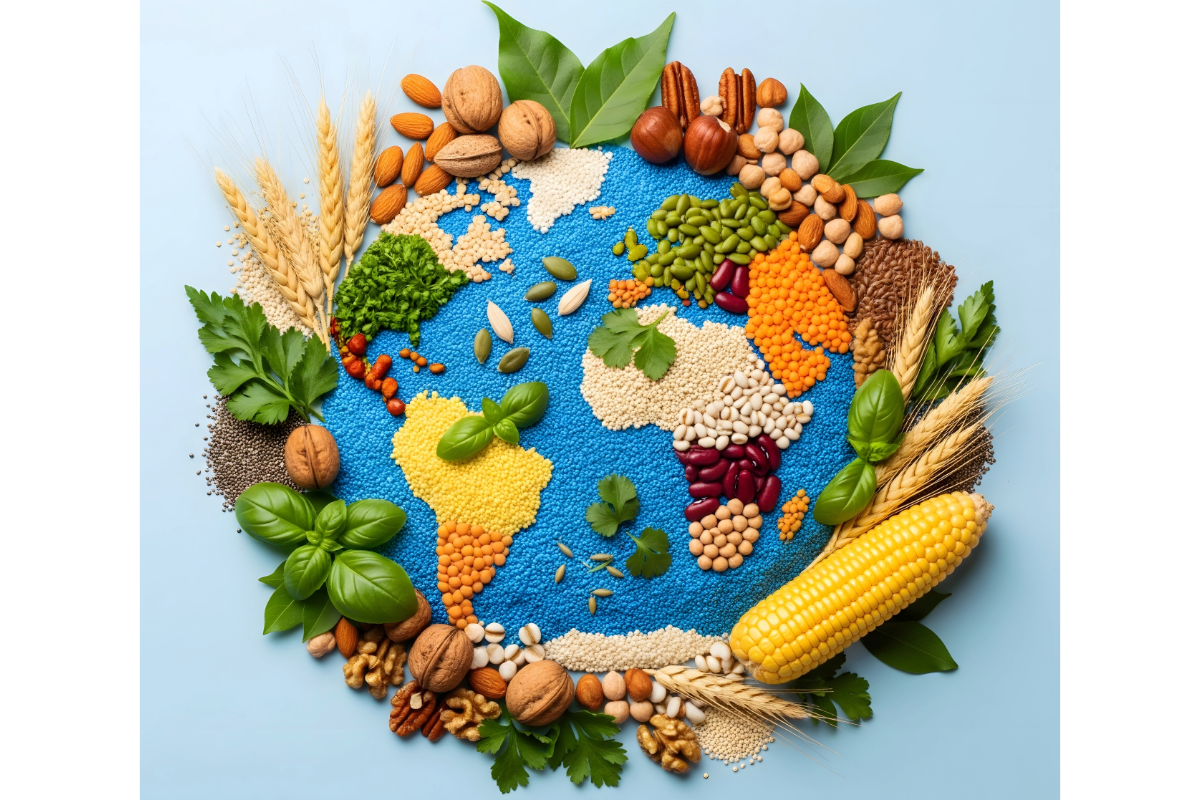
Written by: Karen Byrd, PhD, RDN, Research Administrator and Outreach Coordinator
Open your refrigerator. Somewhere in there is probably a bag of salad starting to wilt, a container of leftovers you forgot about, or a block of cheese with a corner going fuzzy – all likely headed for the trash or compost. Each year, Americans throw away between 30 and 40 percent of the entire food supply. For households, that works out to roughly 11.2 million tons of food sent to landfills annually. For the average family of four, that adds up to about $3,000 in wasted groceries every single year. Food conservation — the practice of buying, storing, preparing, and using food thoughtfully so that as little as possible goes to waste — is not just good for the planet. It is one of the most straightforward ways to save money at home.
This Earth Day, commit to food conservation and wasting less. It doesn’t require a big investment or a lifestyle overhaul — just a few small changes that can make a real difference.
In this blog post, we provide a brief history of Earth Day and how food became central to the environmental conversation, explain why food waste matters — environmentally, economically, and socially — and offer a roadmap for becoming a food conserver at home.
A Brief History of Earth Day — and Why Food Became Central to It
Earth Day was born on April 22, 1970, from a growing national concern about the impact of industrial society on the natural world. The immediate spark was a massive oil spill off the coast of Santa Barbara, California, in January 1969, which released more than three million gallons of crude oil into the ocean and devastated local marine life. Senator Gaylord Nelson of Wisconsin, alarmed by the state of the environment, proposed a new movement focused on the planet: a national day of environmental education and action.
That first Earth Day mobilized approximately 20 million Americans — about 10 percent of the U.S. population at the time. Organizers strategically scheduled it between university Spring Breaks and final exams to maximize student participation. People took to the streets, campuses, and parks in what was, at that point, the largest civic demonstration in American history. The response was transformative. By the end of 1970, the U.S. Environmental Protection Agency had been established, and within a few years, landmark legislation, including the Clean Air Act, the Clean Water Act, and the Endangered Species Act, had been signed into law.
Earth Day went global in 1990, with the first United Nations Earth Summit in Rio de Janeiro in 1992. Today, Earth Day is recognized in 198 countries and territories and is widely considered the world’s largest secular civic event.
In the decades since 1970, the environmental conversation has evolved considerably. The original Earth Day focused heavily on air and water pollution. Today, the focus has expanded to include shifting global weather patterns, biodiversity loss, and the environmental impact of how we produce and consume food. Our food system is one of the largest drivers of land use, water consumption, biodiversity loss, and the environmental toll of how we produce and consume food.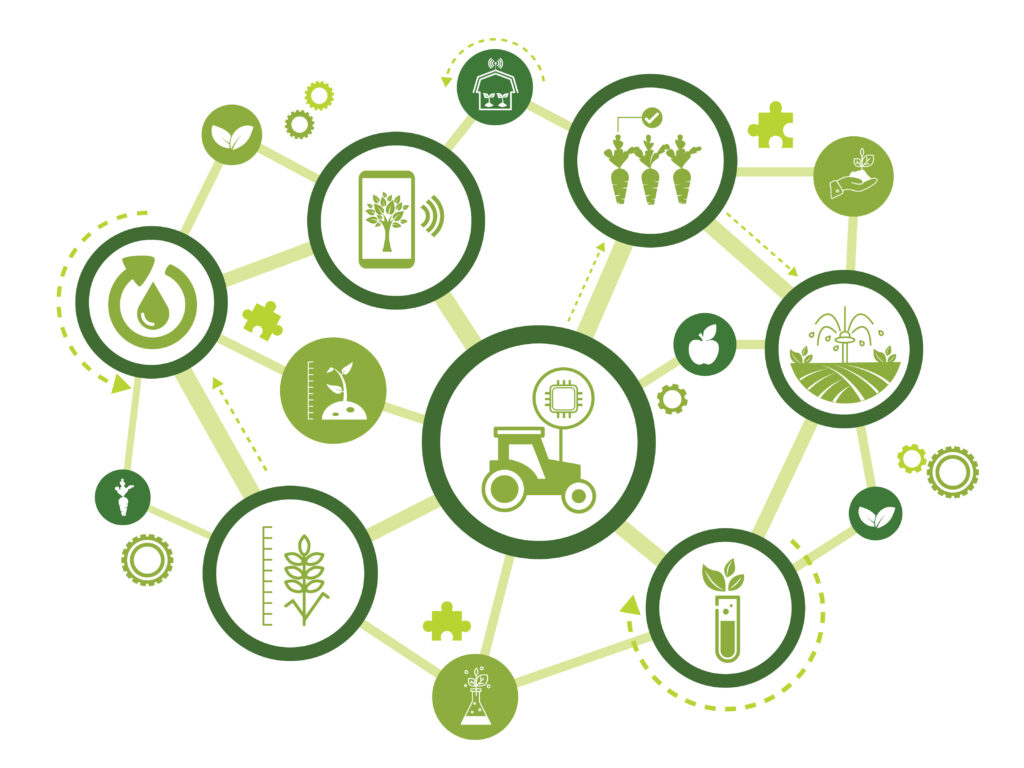 That is why food conservation needs to be a central part of the Earth Day conversation — and why what you do in your own kitchen matters more than you might think.
Why Food Waste Is Such a Big Deal
When food ends up in a landfill, it does not simply decompose and disappear. Buried under layers of other trash and deprived of oxygen, organic material like food scraps breaks down and releases methane — a harmful environmental gas. In fact, if food waste were its own country, it would be the third-largest contributor to global atmospheric pollution, behind only the United States and China.
The environmental cost of food waste is much greater than what happens in landfills. Every item that gets thrown out represents all the water, land, energy, labor, and fuel that went into growing, processing, packaging, and transporting it. Consider lettuce, a commonly wasted food in the U.S, as an example. Tossing the equivalent of a head of lettuce into the trash (or compost) means wasting roughly 15 gallons of water it took to grow it – plus, all the other human and natural resources used to get it from the field to your refrigerator. When we practice food conservation, we are not just keeping food out of the landfill — we are honoring everything that went into producing it.
And then there is the human dimension. More than 18 million U.S. households — including 6 million with children — face food insecurity. The food we throw away could feed people who go hungry. While household food scraps do not directly reach food banks, reducing waste at home supports a culture and system that values food as a precious resource rather than a disposable commodity.
The Wasted Food Scale: A Roadmap for Every Kitchen
In 2023, the EPA released a landmark report, based on more than 250 scientific studies, examining how the U.S. manages food waste. From its findings, the agency introduced the Wasted Food Scale, a framework that ranks the most to least environmentally preferred ways to handle food that would otherwise go to waste.
The scale identifies eleven pathways, from most to least preferred. At the top is prevention — simply not generating food waste in the first place. The EPA found that the environmental benefits of prevention are greater than those of all other pathways combined. Every pound of food you conserve at home, by planning meals carefully and using what you buy, delivers more environmental value than any amount of recycling or composting could.
aaf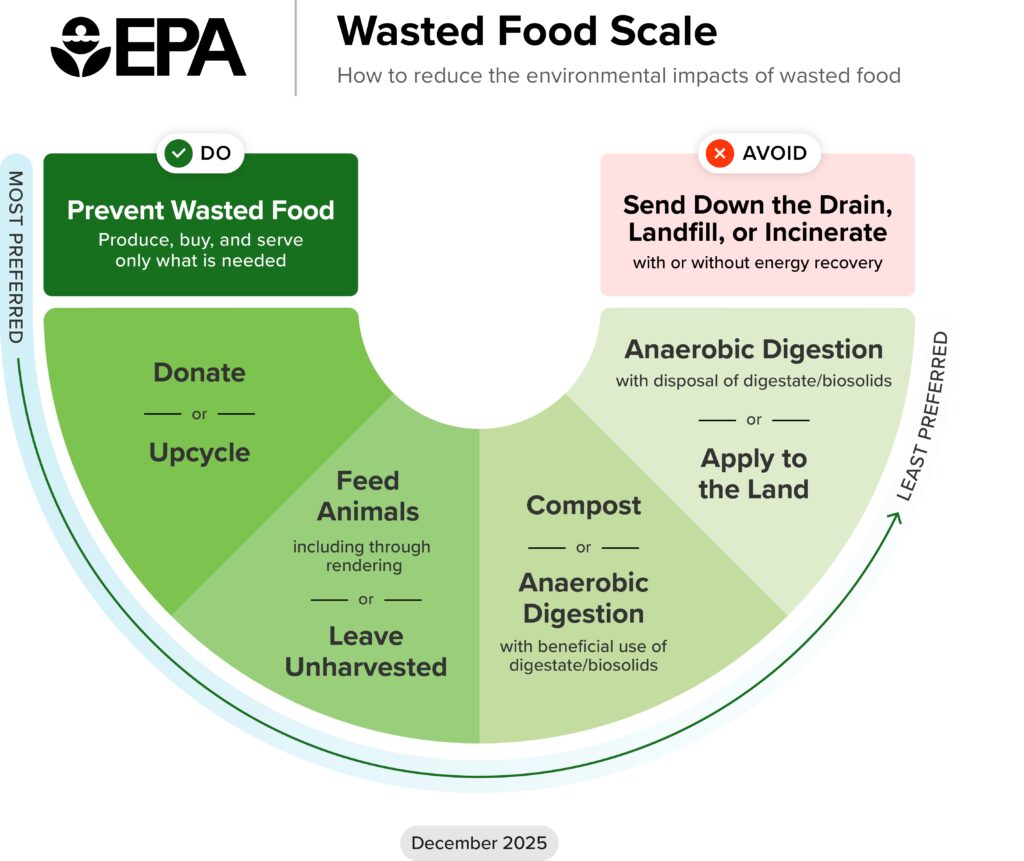
Middle-tier pathways include donation, upcycling, feeding animals, composting, and anaerobic digestion — all meaningful ways to divert food from landfills and recover some of the value invested in producing it.
At the bottom are landfilling, incineration, and sending food down the drain — the least preferred options because they squander the resources used to produce our food. The EPA estimates that wasted food accounts for 24 percent of all material in U.S. municipal solid waste landfills, making it the single most common landfilled material in the country.
Help the Planet & Be a Food Conserver
While no single household may feel like it wastes much, it adds up quickly. Most people are surprised to learn that the largest source of food waste in the U.S. is not restaurants or grocery stores — it’s our own homes.
This Earth Day, we encourage you to become a food conserver. Start with awareness — it’s hard to make a change until you understand what needs changing. Be a citizen scientist and try tracking your household’s food waste for a few days using our waste audit logs to identify what gets thrown out and why. A digital food scale can help you measure what you’re discarding – several options are available for under $20. Don’t want to invest in a scale? No worries! You can use measuring cups or estimate amounts using your hand. Based on preliminary findings from our ongoing research, the average household wastes about half a pound of food per day. That may not sound like much, but across millions of homes every day, it adds up fast.
We suggest focusing on each step of managing food at home, from meal planning to avoiding the landfill. Here are some quick tips. To learn even more, visit our Resource Library, where you will find a plethora of resources to help you on your food conservation journey. And don’t forget—when you have surplus food, use the EPA Wasted Food Scale to guide your decisions. Ask yourself: Can I use it before it spoils? Can I freeze it? Can I donate it? Can I compost it? Work your way down the scale only when prior options aren’t available.
The Bottom Line: Every Bite Counts
Food conservation is not about deprivation or guilt. It is about paying attention to what you buy, how you store it, and how you use every part of it before reaching for something new. It is about recognizing that food has real value: the labor that grew it, the resources that sustained it, the money you spent to bring it home.
When you commit to keeping food out of the landfill, the benefits stack up fast. You save money — potentially hundreds or even thousands of dollars per year. You reduce methane emissions caused by your household. You contribute to a food system that is less wasteful and more equal. And you develop a more intentional, satisfying relationship with what you eat.
This Earth Day, you do not need to overhaul your life. Start with one habit. It could be checking what you already have before heading to the grocery store, reorganizing your refrigerator, committing to using up every last leftover before buying more (search “leftover” in our Resource Library), donating or sharing surplus food, finding a composting drop-off site in your local community, or starting bokashi (a composting alternative). Small acts of food conservation, practiced consistently across millions of U.S. households, add up to something genuinely transformative. The Earth — and your grocery budget — will thank you.
This work is supported by the Agriculture and Food Research Initiative, project award no. 2024-68015-42110, from the U.S. Department of Agriculture’s National Institute of Food and Agriculture. Any opinions, findings, conclusions, or recommendations expressed in this publication are those of the author(s) and should not be construed to represent any official USDA or U.S. Government determination or policy.
DISCLAIMER OF ENDORSEMENT: Reference to any specific commercial Product, process, or Service by trade name, trademark, manufacturer, or otherwise, does not necessarily constitute or imply its endorsement, recommendation, or favor by CFCWR. The views and opinions expressed herein shall not be used for advertising or product endorsement purposes.