
CFCWR Blog
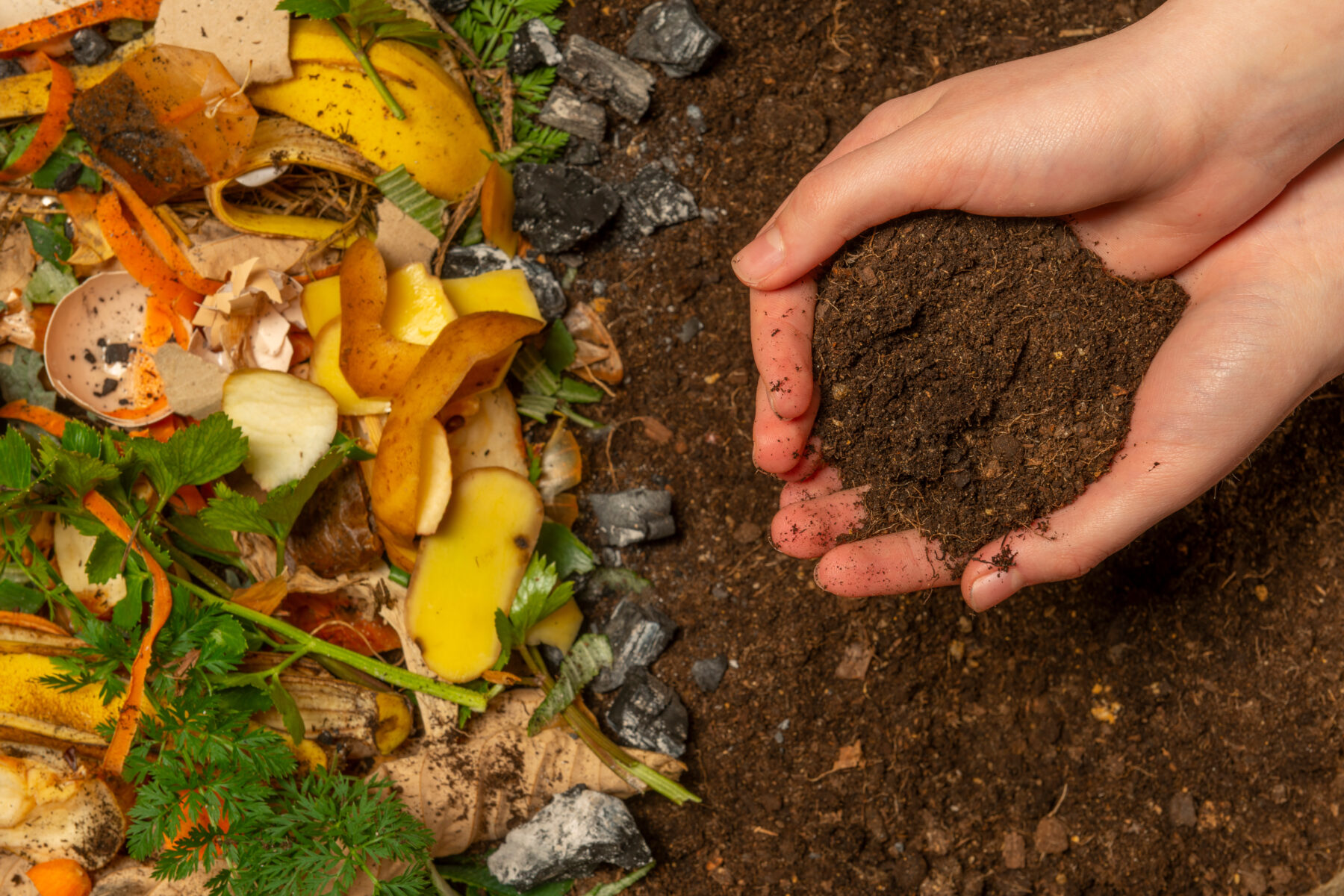
From Scraps to Soil: The Rise of Bokashi as a Composting Alternative
Written by: Grace Kluemper, CFCWR Student Intern, Purdue University
As the world tries to find new ways to keep food waste out of landfills, an East Asian method called bokashi is growing in popularity. Bokashi is a fermentation technique to convert food waste into nutrient-rich soil. Ellee Spier, founder of GardenQuest, has made it her mission to create a more sustainable food cycle and has been spearheading a bokashi movement in Bloomington, Indiana. Recently, I attended the organization’s bokashi workshop to learn more about the process and how it works in homes.
Inside Bokashi Fermentation
Bokashi is a fermentation-based method of recycling food waste that uses beneficial microorganisms to break down organic material in an oxygen-free (i.e., anaerobic) environment. The process is surprisingly simple: layer your food scraps in an airtight container, sprinkle each layer with a special inoculated “bran” containing lactic acid bacteria, yeasts, and other microbes, and let nature do its work. Instead of rotting, the waste ferments, producing a pickled mixture that doesn’t smell foul and resists pests. After about two weeks, the fermented material is buried underground or in yard-waste compost, where it quickly integrates and enriches the earth, turning into nutrient-rich soil within a few months.
From Scraps to Soil: Bokashi and Traditional Composting Compared
While some sources refer to “bokashi composting,” bokashi and composting are actually two distinct processes. So, what’s the difference? Traditional composting relies on oxygen (i.e., aerobic), moisture balance, and regular turning over six to 18 months to produce a stable, humus-like product that can be added directly to gardens. It excels at processing yard waste at home and, when done commercially with proper heat generation, can handle all organic materials. Bokashi fermentation, by contrast, is an anaerobic process (i.e., oxygen-free) that breaks down food waste in just weeks with minimal effort. The real advantage? Bokashi safely handles all types of kitchen scraps—including meat, dairy, bones, and fats and oils that must be excluded from traditional home composting due to scavenger and pathogen concerns. The bokashi process requires minimal outdoor space and produces a nutrient-rich soil amendment that boosts microbial life and plant health. The one caveat: fermented bokashi scraps need to be buried in a hole or trench or added to your yard-waste compost to complete the transformation into soil. Don’t have yard or garden space? No worries. You can donate your bokashi to a neighbor or community garden. For anyone looking to quickly and conveniently divert their entire kitchen waste stream, bokashi offers a practical solution.
Getting Started
To get started with bokashi, you’ll need two bokashi buckets or airtight containers with spigots at the bottom to drain liquid. While one bucket is technically sufficient, having a second allows a place for your food scraps while the first finishes fermenting. You’ll also need bokashi bran—the magic ingredient that drives fermentation—plus a tamper to press down scraps. Many people keep a container in the kitchen for collecting daily scraps before transferring them to the bokashi bin—an old yogurt container, peanut butter jar, or any type of container can work. You may want to put it in the refrigerator to avoid attracting pests. Other useful supplies include rubber gloves for handling fermented material, white vinegar for cleaning, and a place to bury the finished ferment. If you live near Bloomington, Indiana, reach out to GardenQuest for information on workshops and supplies. Otherwise, check Bokashi Living, TeraGanix, Amazon, or other organizations for convenient starter kits.
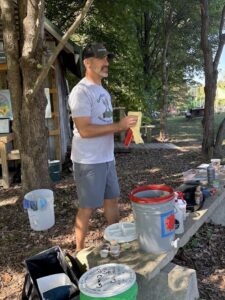
Matt Austin, GardenQuest.
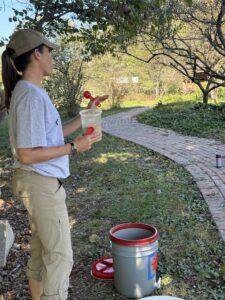
Ellee Spier, GardenQuest
The Process
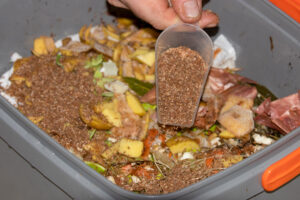
Once you’re set up, toss in all your food scraps—crushed eggshells, avocado pits, meat, bones, even baked goods. Smaller pieces work better, but with enough time, everything will soften and ferment. As you add each layer, sprinkle about one teaspoon of bran per quart of food waste to introduce beneficial microbes. Seal the lid tightly to maintain an oxygen-free environment and continue adding scraps until the bucket is full. After about a week, drain the nutrient-rich “bokashi tea” from the spigot—diluted, it makes a powerful plant fertilizer. Once the bucket is full, let it ferment for at least two weeks, then bury the contents in soil or add them to a compost pile where they’ll quickly break down into rich compost. And remember, you can always give your fermented bokashi to someone else if you can’t use it yourself. GardenQuest founders note it takes most households about four months to figure out how bokashi fits into their lives and schedules. Keep that in mind and keep at it until you find a way to make it work in your household.
Conclusion
Bokashi fermentation offers a practical, efficient, and eco-friendly way to manage ALL household food waste while enriching the soil. By harnessing the power of beneficial microbes in an anaerobic environment, it quickly transforms food scraps destined for landfills into a nutrient-dense soil amendment that fuels healthy plant growth. Its ability to handle a wide range of kitchen waste, including items like meat and dairy, makes it especially versatile compared to traditional composting methods. For households looking to reduce waste going to landfills, improve soil quality, and adopt a more sustainable lifestyle, bokashi fermentation offers a simple yet powerful solution. Check out our Resource Library for more information (i.e., search “bokashi”) and get started transforming food scraps into soil today!
References:
- Spier, E., Austin, M., (2025, Oct. 12). Food Waste Fermentation Workshop [Workshop]. Bloomington Community Orchard, Bloomington, IN, United States.
- Vanderlinden, C. (2022, July 12). What You Need to Know About Bokashi Composting. The Spruce. https://www.thespruce.com/basics-of-bokashi-composting-2539742
This work is supported by the Agriculture and Food Research Initiative, project award no. 2024-68015-42110, from the U.S. Department of Agriculture’s National Institute of Food and Agriculture. Any opinions, findings, conclusions, or recommendations expressed in this publication are those of the author(s) and should not be construed to represent any official USDA or U.S. Government determination or policy.
Mention of products or organizations is for reference and examples only and not meant to be all-inclusive or an endorsement.