
CFCWR Blog
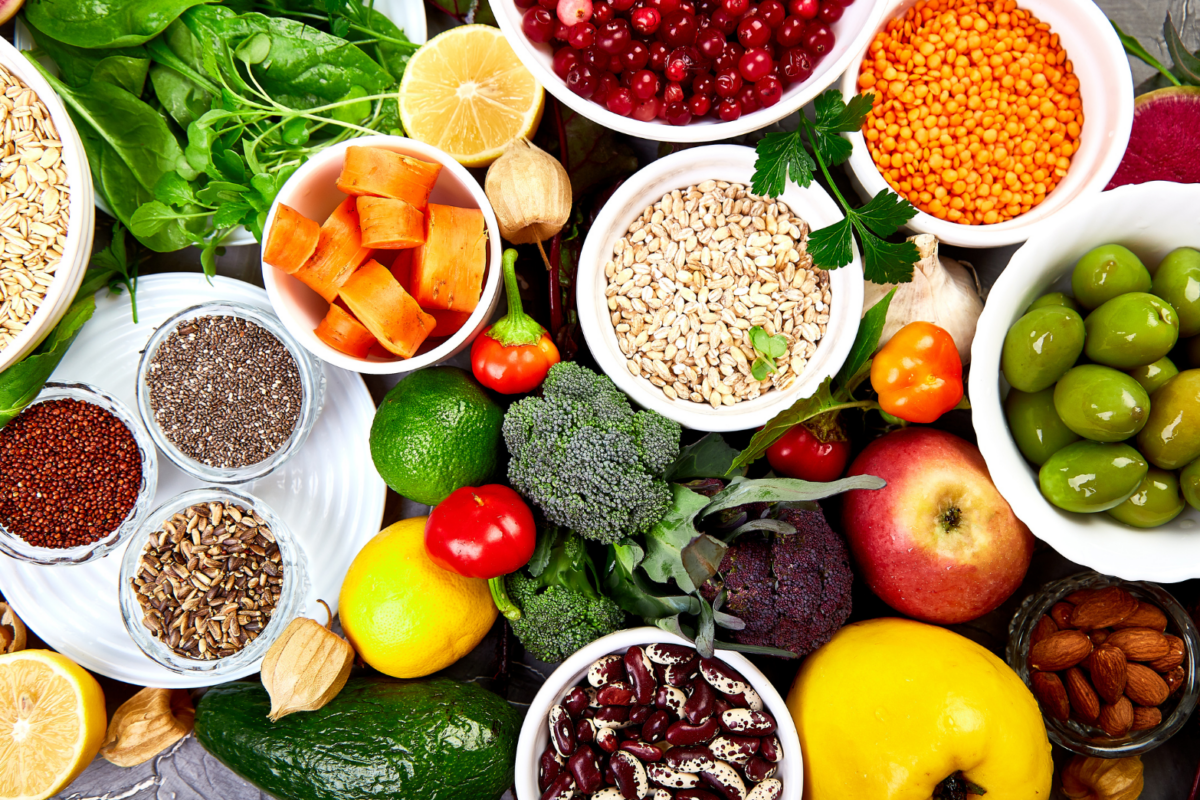
How National Nutrition Month Promotes Healthy Plates and a Healthy Planet
Written by: Rebecca Naab, MPH, RDN, Research Dietitian at Case Western Reserve University
As March 2026 National Nutrition Month comes to a close, I reflect on the connection between my work in public health, my passion for food conservation, and my role as a registered dietitian. How do food conservation and good nutrition truly go hand in hand? And how can I help others see that making healthy food choices can also reduce food waste?
When we think of foods meant to last, we most likely think of packaged, ultra-processed foods manufactured to stand the test of time on the shelves at our local grocery stores and corner markets. While those foods can last for long periods, with some basic knowledge and skills, you can also create balanced, nutritious meals with proteins, grains, fruits, and vegetables that will fill your stomach and leave your trash can empty.
To keep it simple, I believe there are a handful of best practices you can follow to not only nourish our bodies, but to conserve more and waste less.
POWER UP YOUR PANTRY
Set yourself up for success in meal and food conservation by creating a practical pantry stocked with versatile, shelf-stable ingredients. Grains such as rice, dried pasta, and quinoa can last up to two years if stored in a cool, dry place (FDA Food Safety Basics). Commercially canned proteins such as chicken, tuna, or beans can last two to five years (FDA Food Safety Basics). Your freezer can also be thought of as a pantry. Frozen meats, fruits, and vegetables are great items to stock up on during sales and can last for months in your freezer — just remember to use them!
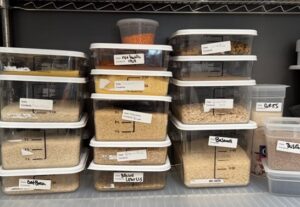
Having these items on hand gives you a leg up at mealtime, allowing you to combine them with fresh proteins, produce, herbs, and seasonings to create flavorful, nutritious meals. Pantry items can also be used to transform leftovers into something new, like adding canned beans to leftover roasted veggies for a boost of protein. Since your pantry items last longer, you can worry less about them going bad. Make sure you shop your pantry while meal planning and/or before grocery shopping to see what you already have on hand and prevent over-purchasing, which can lead to food waste.
Store Smart
How you store your food plays a key role in how long it lasts. One of my favorite food storage suggestions is to use clear containers. It doesn’t matter if they are plastic or glass; the key point is that you can see your food at a glance. Growing up, my mother and grandmother used non-transparent containers to store leftovers and extra ingredients. My sister and I often ended up playing a game of “guess what this used to be” with food that had been forgotten in the fridge and left to turn into a moldy mess. Seeing your food gives you a constant reminder of which items you can use in upcoming dishes, helping keep them out of the landfill.
a
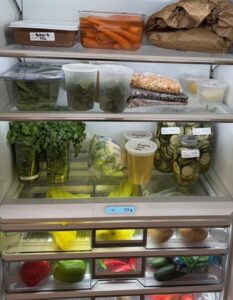
Another tip I like to share is to focus on freezing. Freezing can extend the shelf life and preserve the nutritional value of many foods, including fruits, vegetables, herbs, cooked grains, cheeses, and leftovers. In my previous career in school foodservice operations, my number one question from kitchen staff was, “Can I freeze (insert food item)”? Luckily for many items, the answer is “yes”. There are many resources available, including several in the Center for Food Conservation and Waste Reduction’s Resource Library and the United States Department of Agriculture (USDA Freezing and Food Safety) to help you decide what to freeze and how to thaw foods safely. Plus, check out our blog with a frozen food expert!
Kitchen Creativity
Regardless of your culinary skill set, having an open mind and getting creative in your kitchen is a key quality that many food conservers share. I love coaching folks on using food in new ways to create dishes they enjoy. It does not have to be difficult or require chef-level expertise; it just requires some imagination and innovation. Upcycling leftovers is a way to turn leftover food into a completely new meal. Upcycling could be as simple as adding spices or a sauce to change the flavor profile, like adding ginger, garlic, and a dash of sesame oil to leftover rice to pair with a stir-fry.
Did you know you can also upcycle food scraps?! Many food scraps, such as fruit and vegetable peels, are rich in nutrients. You can upcycle vegetable peels and ends to make vegetable stock. The tops of strawberries, carrots, and kale stems can be added to fruit and yogurt to make a nutrient-packed smoothie.
You may be less creative in the kitchen or have limited time to prepare meals. That’s okay. Another tip is to utilize “crossover foods” or foods that have multiple applications. Many of the best crossover foods are part of a nutritious meal. Crossover foods can be prepared in larger batches and used throughout the week. Examples of crossover foods include roasted chicken, which can be used in soups, salads, wraps, casseroles, and more. Pre-cooked grains like quinoa and couscous are another excellent crossover food and can be reheated with fruit for a hearty breakfast, added to a grain bowl, or sprinkled on salads.
Final Thoughts
As National Nutrition Month comes to a close, the habits of eating well and reducing food waste don’t end. I hope you can use these meaningful tips throughout the year. For more resources, visit the Center for Food Conservation and Waste Reduction’s Resource Library to learn how you can eat healthy, conserve food, and reduce waste.
This work is supported by the Agriculture and Food Research Initiative, project award no. 2024-68015-42110, from the U.S. Department of Agriculture’s National Institute of Food and Agriculture. Any opinions, findings, conclusions, or recommendations expressed in this publication are those of the author(s) and should not be construed to represent any official USDA or U.S. Government determination or policy.
DISCLAIMER OF ENDORSEMENT: Reference to any specific commercial Product, process, or Service by trade name, trademark, manufacturer, or otherwise, does not necessarily constitute or imply its endorsement, recommendation, or favor by CFCWR. The views and opinions expressed herein shall not be used for advertising or product endorsement purposes.