
CFCWR Blog
Ask the Expert: Professional Chef Secrets for Zero-Waste Cooking
Written by: Emma Sheward, CFCWR Student Interns, Purdue University
“The more you practice, the better you get.”
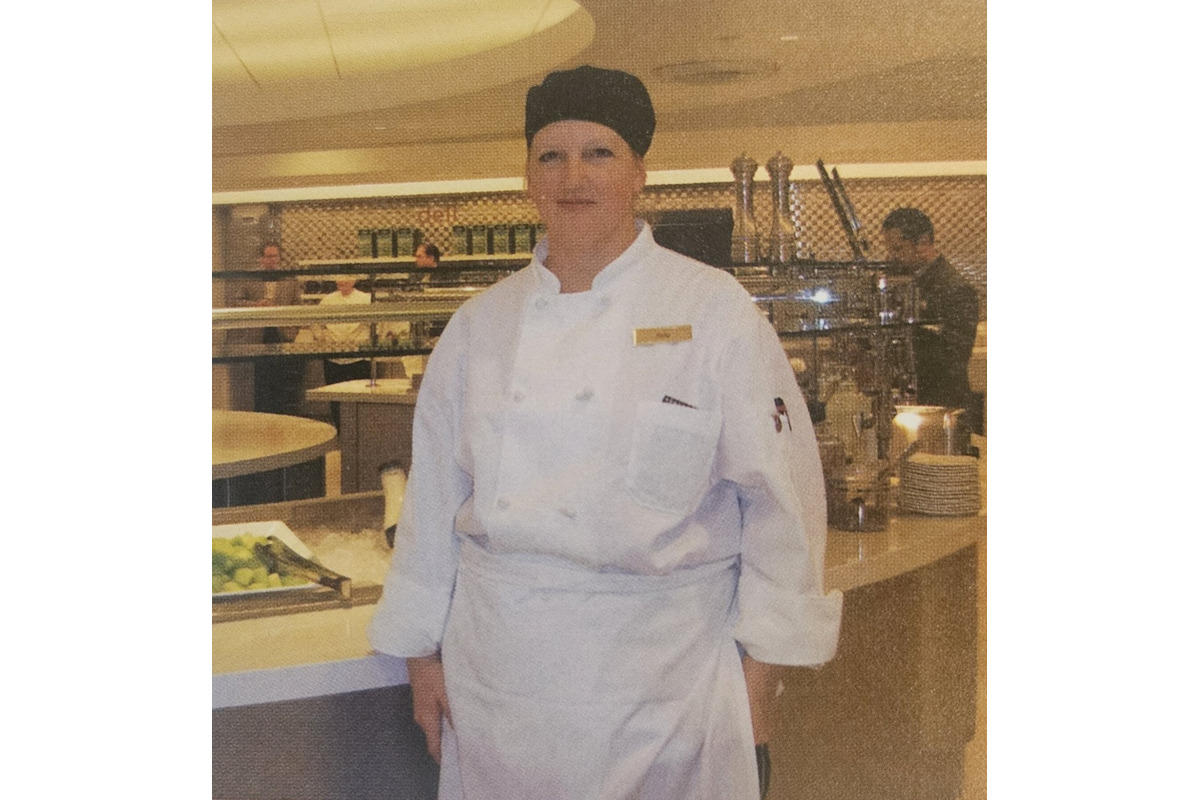
This is the mantra of Chef Patty Sheward, a food conservation expert with 20 years of experience managing large-scale foodservice facilities. From mastering the basics in culinary school to leading high-volume kitchen teams, Patty has spent her career proving that waste reduction isn’t just a hobby; it’s a professional requirement.
Patty notes that while her culinary workforce journey began with a formal education, her true expertise was forged in large-scale operations. During her 20 years as a foodservice contractor for Compass Group, she led programs that empowered her team to see the hidden potential in “scraps.” This professional background permanently altered her perspective, a mindset she has seamlessly translated into her home kitchen. Patty shares her expert strategies for conserving food and reducing waste, whether you’re cooking for a household of one or a family of six.
the “Ugly” vs. the “Rotten” — Know the difference
Patty emphasized that food conservation starts in the grocery store, especially when shopping for produce. Overbuying produce is a common grocery shopping mistake. This can happen when weeks get busy, and meal plans change (for example, eating out more than normal), which can result in spoilage. However, there may still be ways to salvage what looks like ugly or rotten produce – and your food dollars. Here are some tips from Patty:
- Senses test: If there is produce in the back of the crisper drawer and you forget which day of the week you bought it, use your senses to see if you can save it. The first indicator is smell, and if the smell is off, then so is the taste. But if there is no smell, double-check the stem’s stability, then feel for softness next.
- “Ugly” is still edible: A bruise isn’t a death sentence for a vegetable. Just because it is bruised doesn’t mean it’s rotten. Many consumers want to throw out an apple with a blemish. Instead, cut the blemish out, smell the apple, and find a way to use it. (Check out the “Eat or Toss” website for more advice on this).
- Transformation Practices: Ugly produce can be perfect for stocks, soups, or dicing, where aesthetics matter less.
Professional Storage Hacks for Home Cooks
“Professional kitchens operate on organization,” said Patty. Setting up her home kitchen to have similar storage habits as her professional kitchen has benefited her family of four and helped to develop good food conservation habits. Rules of guidance Patty shared for kitchen storage organization:
Eye-View Rule
Items that spoil quickly should always be at eye level in the fridge. Don’t let berries or greens disappear into the back because they will easily be forgotten.
Cut too much fruit?
If you cut up too much fruit, an easy and fun way to save it is to put your extras in an ice cube tray in the freezer, and then use the fruit cubes for smoothies or infused water!
Furs, Fins & Feathers
A logic Patty learned in culinary school holds that meat from fur, fins, and feathers (e.g., beef/pork/lamb, fish/seafood, poultry) should be kept strictly separate from other foods and, ideally, processed in separate areas as well. Never put “ready-to-eat” next to or below raw foods, especially those foods that are thawing. Generally, also keep those ready-to-eat foods on higher shelves and proteins on lower shelves to prevent raw foods from dripping onto other foods.
The freezer — your best friend
Whether cooking for one or trying a recipe that calls for a half-portion (e.g., a can) of an ingredient, freezer storage techniques can help you make the most of leftovers. An example Patty shared was tomato paste. When it’s not necessary to use the whole can, put the rest in a plastic bag, freeze it, and the next time you need some paste, break it off like a chocolate bar. Now you have saved the remaining paste from being wasted!
The Money Pit of Condiments & Sauces
Patty reveals that the most overlooked “hidden cost” in the kitchen is often sitting right in the door of your refrigerator or on your pantry shelves: condiments and sauces. Because they are small and often shelf-stable, condiments easily get forgotten or simply aren’t used quickly enough.
X
This is a particular struggle for single-person households, where it becomes a race against the clock for one person to finish a full bottle before it spoils. While we all love to try new flavors, Patty’s advice for avoiding a fridge or pantry full of half-used bottles is simple: “Only experiment with new sauces when you’re hosting a large group or try to sample them elsewhere before committing to a full jar for yourself.” By being intentional about your sauce collection, you keep your fridge clutter-free and ensure that every drop you pay for gets used.
x
The “Odds and Ends” Meal
The end of the week can be tricky and a time when lots of food goes to waste once the busy weekend hits. To combat this, she suggests three specific ways to create “round-up meals” that rescue ingredients before they hit the bin:
- Soups and Stews: Almost any vegetable or meat scrap can be transformed into a hearty soup. Patty notes that experimenting with recipes is much “safer” in a soup pot; it’s easier to adjust flavors in a broth than it is to create an entirely new standalone dish from scratch.
- Sandwiches: Because bread spoils quickly, using it up should be a top priority. Leftover meat scraps or even certain pasta dishes can be quickly repurposed into a sandwich or panini to help clear out those random fridge items.
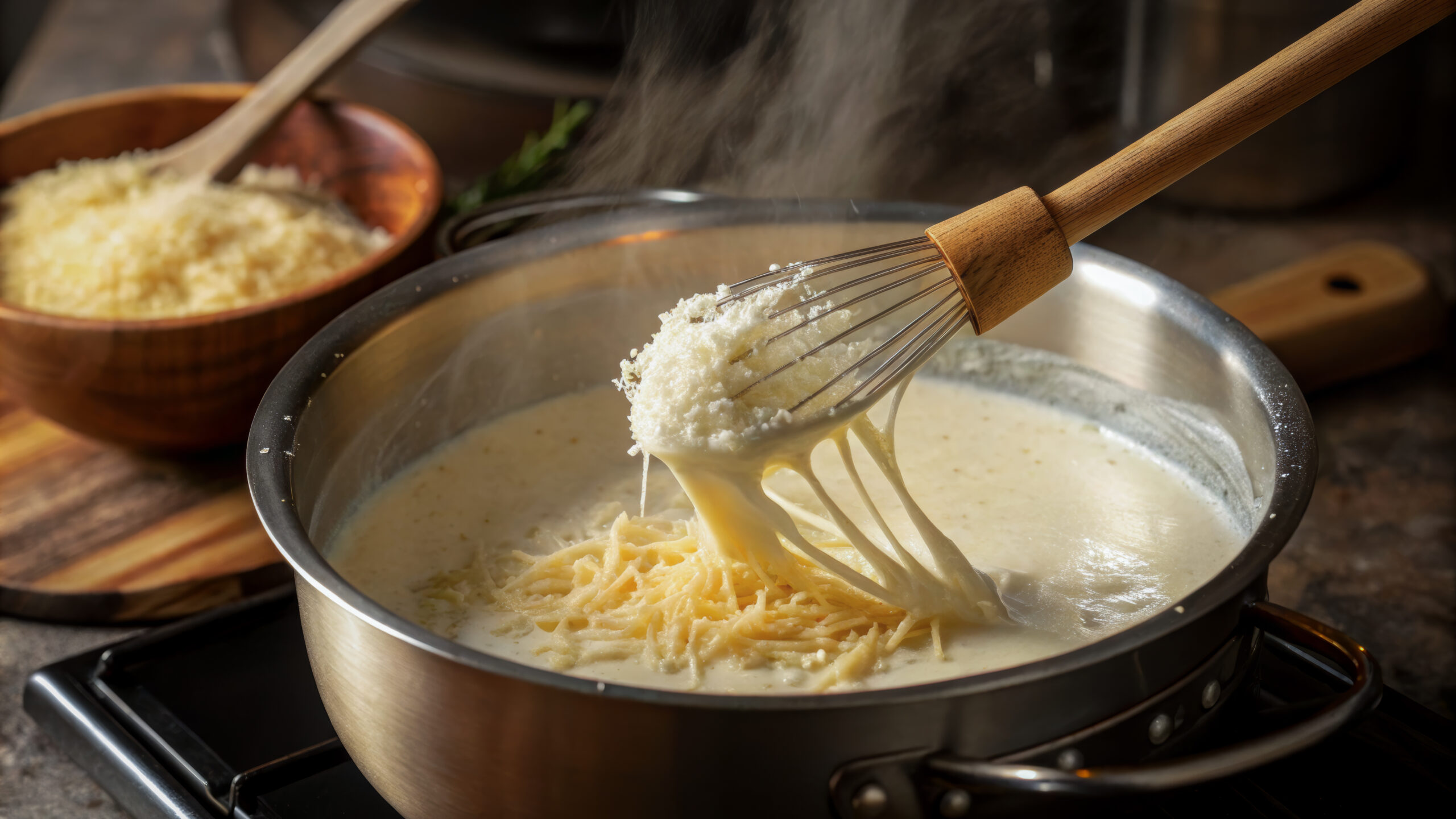
- Sauces: Leftover vegetables and meats are often the perfect base for a signature sauce. Patty observes that buying a new jar of pre-made sauce is a common mistake many households make. Instead, she recommends searching for recipes that utilize the cheeses and vegetables you already have. Patty recommended Allrecipes.com, noting that it is an excellent resource for cooks of all levels to discover and test new recipes. “If there is one thing I wish every home cook would master,” Patty says, “it’s basic sauce-making techniques.”

Leveling up Your food Conservation Game
For those who have already mastered the basics of food conservation and are ready to take their skills to the next level, Patty suggests a specific investment: a food dehydrator. A dehydrator can transform an abundance of produce into snacks like fruit rolls while also allowing you to repurpose meat scraps, completely changing how you conserve food.
If you aren’t quite ready for a dehydrator or are working with limited counter space, Patty recommends the crockpot as an essential kitchen staple. It is the ultimate tool for both busy families and single-person households alike. A crockpot doesn’t just save time; it saves food. There are endless recipes that allow you to explore new flavors while making meal planning for the week a breeze. It’s perfect for breaking down tougher cuts of meat or “upcycling” vegetables into a delicious, cohesive meal.
As Patty reminds us, “the more you practice, the better you get.” So, before you reach for the trash bin, take a moment to look at your food and food scraps through a chef’s eyes, and try and give every ingredient you buy a first and second chance.
This work is supported by the Agriculture and Food Research Initiative, project award no. 2024-68015-42110, from the U.S. Department of Agriculture’s National Institute of Food and Agriculture. Any opinions, findings, conclusions, or recommendations expressed in this publication are those of the author(s) and should not be construed to represent any official USDA or U.S. Government determination or policy.
DISCLAIMER OF ENDORSEMENT: Reference to any specific commercial Product, process, or Service by trade name, trademark, manufacturer, or otherwise, does not necessarily constitute or imply its endorsement, recommendation, or favor by CFCWR. The views and opinions expressed herein shall not be used for advertising or product endorsement purposes.