
CFCWR Blog
Written by: Karie Taylor, CFCWR Student Intern, Purdue University
Can a freezer help fight food waste?
YES!

The world is working to find ways to conserve food and reduce waste, and the strategic use of frozen foods and freezers could be a step in the right direction. We sat down with Jennie Norka, Senior Director of Scientific and Regulatory Affairs at the American Frozen Food Institute (AFFI), to discuss her views on the potential impact of frozen foods on reducing food waste. AFFI is a national trade association representing America’s frozen food and beverage manufacturers. Their goal is to redefine frozen foods as a culinary powerhouse, and one of their strategic focuses is centered on sustainability. They are very intentional in putting time and effort into supporting their members’ sustainability efforts and educating the public on ways to utilize frozen foods to reduce food waste.
Read on to get Jennie’s take on how frozen foods can help with food conservation.
Q: How can including frozen food in your meal planning help reduce food waste in your household?
One of the biggest benefits is the shelf life. Freezing food acts as what Jennie calls “nature’s pause button”. This allows you more flexibility in a busy week when you don’t end up cooking that chicken you bought, or you realize you won’t be able to eat your bananas before they go bad. Instead of stinking up your kitchen, you can store these items in a freezer bag and eat them a week, a month, or even a year later.
Jennie notes that another big benefit of utilizing frozen groceries is that it is easier to control portions. Many frozen grocery items come in pre-portioned or single-serve containers, allowing you to avoid overeating or preparing too much, which can result in waste.
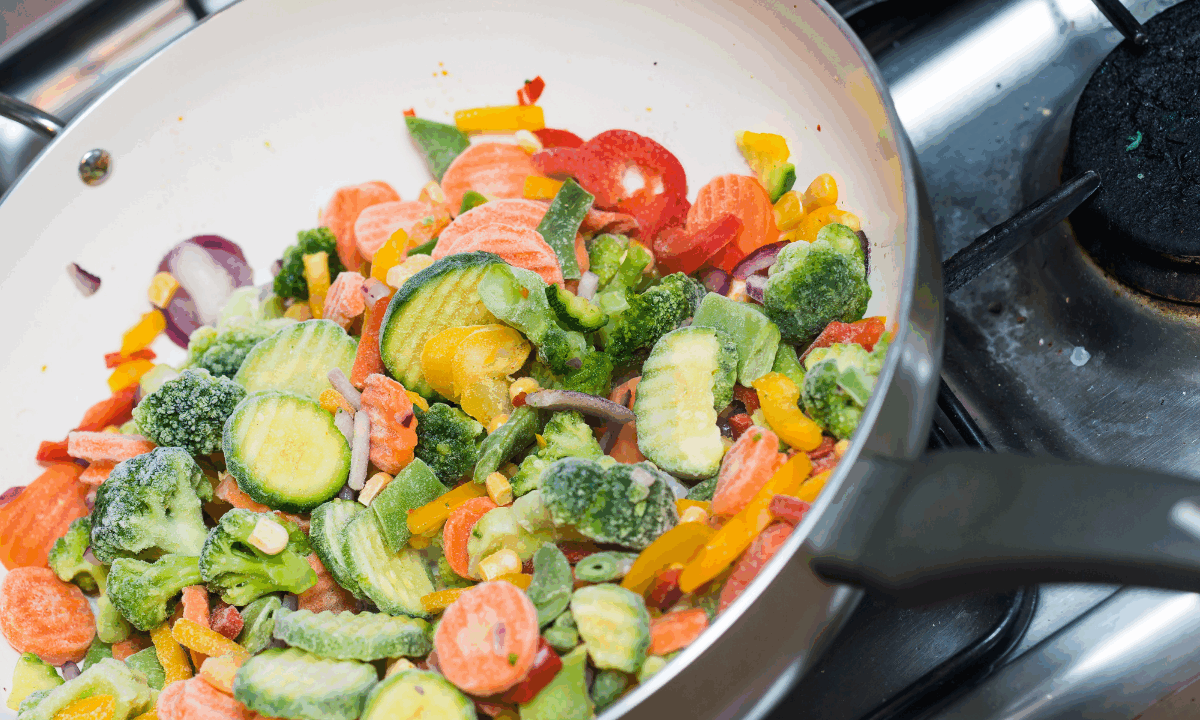
Finally, one of the biggest advantages of using the frozen food aisle is access to healthy foods, such as produce. Many people struggle to eat fruits and vegetables as they tend to spoil more quickly than other foods. Choosing to buy frozen fruits and vegetables erases the risk of these healthy options spoiling before you can consume them. Frozen fruits and vegetables also tend to have similar, or in some cases higher, nutrient levels than fresh produce. The freezing process can also allow for varieties with enhanced quality attributes, like taste or texture, since frozen items are harvested at peak ripeness, quickly frozen to lock in nutrients, and can withstand transportation more easily than fresh produce. Our freezers are an underutilized tool in the fight against household food waste. With small changes like choosing to freeze fresh groceries that may go to waste or buying frozen meals to help your household be more mindful about portions, you can make a real impact on the sustainability of our food cycle.
“A 2023 critical review conducted by Cornell University found that, in general, frozen food is wasted less frequently than its fresh counterparts at retail stores and in households. Some of the top reasons consumers report throwing out food were spoilage and excess leftovers – both of which frozen food can help address.”
Q: What are some of the biggest misconceptions regarding frozen food?
One challenge AFFI is fighting is the many misperceptions surrounding the frozen food industry. Jennie explained that many people do not understand the freezing process, and believe it requires additives, which may turn consumers away from the category. She went on to clarify that freezing is a temperature state – not a degree of processing. Frozen food manufacturers freeze food similar to how you do at home, but on a larger scale and with greater precision to better control quality attributes, like texture. AFFI focuses on educating and communicating with consumers on this process and advertising it as a natural form of preservation. They spend time educating agencies, speaking with registered dietitians, and sharing their message on their website, “The Frozen Advantage,” to help clear up this confusion. Jennie and I also discussed the stigma surrounding frozen meals as “unhealthy” or “lower quality”. She explained that the frozen food industry has made huge advances over the past decade and encourages consumers to take a stroll down the frozen aisle to see the many nutrient-dense options available.
Q: What are your best tips & tricks for using frozen food?
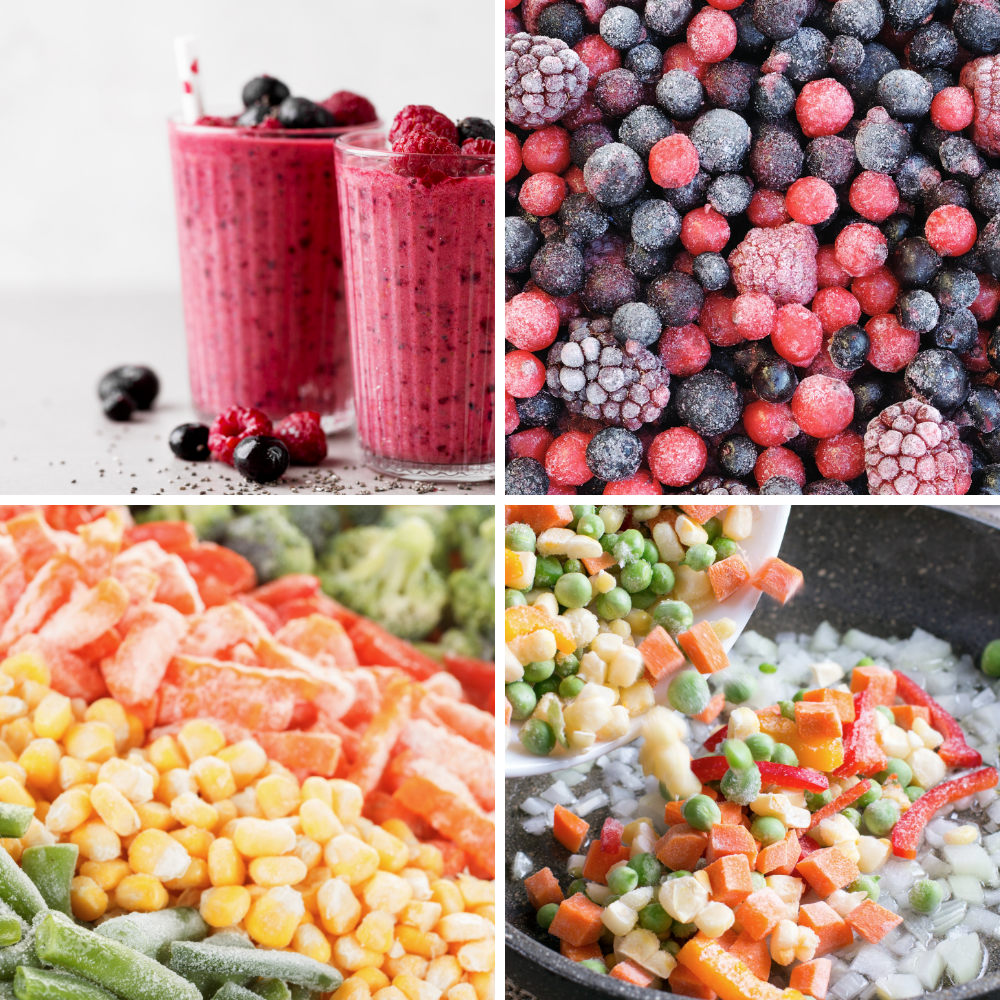
As an expert in the frozen food industry, we asked Jennie to share some of her tips and tricks for how she uses frozen food in her kitchen. She explained that the world is your oyster when it comes to integrating frozen food into your diet, and she encouraged consumers to think outside the box. Some of her unique tips ranged from steaming frozen rice for a quick stir-fry to substituting frozen chopped onions to avoid the tears often associated with chopping fresh ones. She also explained that you shouldn’t limit yourself – instead of just cooking that frozen pizza as is, throw some frozen vegetables on top before cooking for a change! She encourages consumers to fight against the stigma surrounding frozen foods and instead utilize them to your advantage. We live in a busy world where cooking every meal from scratch can seem impossible. Frozen foods can help save time without sacrificing health and quality.
Small changes, big impact
As we all look to make small changes to reduce food waste, individuals like Jennie and organizations like AFFI play a crucial role, providing easy solutions to help each of us become food conservers and contribute to a more sustainable food system. So, the next time you are shopping for food, don’t forget to check out your options in the frozen food aisle!
If you are interested in learning more about AFFI and its mission, you can visit their website or follow them on Facebook, X, or LinkedIn.
This work is supported by the Agriculture and Food Research Initiative, project award no. 2024-68015-42110, from the U.S. Department of Agriculture’s National Institute of Food and Agriculture. Any opinions, findings, conclusions, or recommendations expressed in this publication are those of the author(s) and should not be construed to represent any official USDA or U.S. Government determination or policy.